Breaking: NEVI EV Charger Rollout Gains Momentum in 2025 but Stalls on Federal Hurdles
The National Electric Vehicle Infrastructure (NEVI) program finally saw charger installations accelerate in 2025, yet progress remains critically hampered by unnecessary federal roadblocks, according to a new report released today.
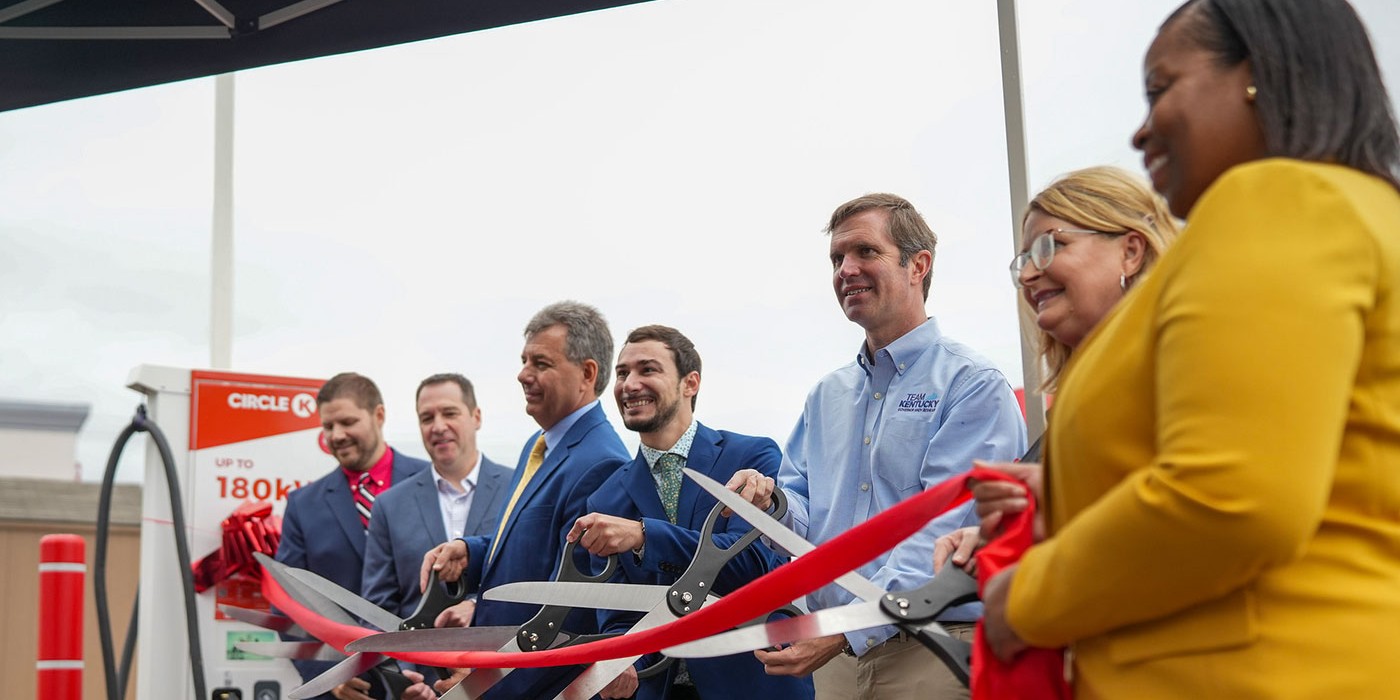
“While 2025 marks the first year of meaningful deployment, the pace is still far too slow to meet America’s clean transportation goals,” said Dr. Emily Tran, transportation policy analyst at the Clean Energy Institute. “Bureaucratic delays at the federal level are directly limiting access to reliable EV charging for millions of Americans.”
The report, published by the EV Infrastructure Coalition, documents a 40% increase in charger installations compared to 2024, but notes that only a fraction of the $7.5 billion allocated under the Bipartisan Infrastructure Law has been spent.
Background
The NEVI program was established in 2021 to build a nationwide network of EV chargers along major highways, with a target of 500,000 chargers by 2030. States initially struggled with permitting and utility interconnection, causing years of delays.
By 2024, only about 2,000 chargers had been deployed. The 2025 acceleration brought that total to roughly 3,500—still far below the original timeline projections.
What This Means
“Every month of delay pushes back the tipping point for EV adoption,” warned James Kowalski, former director of the Federal Highway Administration’s infrastructure office. “Without faster action, consumers will continue to face ‘range anxiety,’ slowing the transition away from gasoline.”

The report identifies key choke points: federal review processes for site approval, inconsistent state implementation, and lack of standardized equipment. Experts argue that streamlining these steps could double installation rates without additional funding.
“The technology is ready, the industry is ready—only the federal red tape remains,” Tran added. “We need a national emergency declaration for charging infrastructure.”
As of June 2025, nine states have installed fewer than 50 NEVI-funded chargers each. Senator Mark Vegas (D-CA), a lead sponsor of the program, called the report “a wake-up call” and vowed to introduce bipartisan legislation to cut review times by 60%.
The White House has not yet commented, but a DOE official speaking off the record acknowledged internal discussions about administrative reforms. “We’re aware of the bottlenecks and are exploring executive actions,” the official said.
For now, American EV drivers still face sparse charging networks outside major metro areas. The report concludes that without urgent changes, the 2030 target will be missed by five to seven years.