Breaking News
MemoryCore, a tabletop role-playing game designed by Claudio Pustorino, is set to launch as a love letter to the 32-bit era of PlayStation 1 gaming. The game intentionally borrows the design constraints that made classics like Final Fantasy 7, Castlevania: Symphony of the Night, and Metal Gear Solid so memorable.
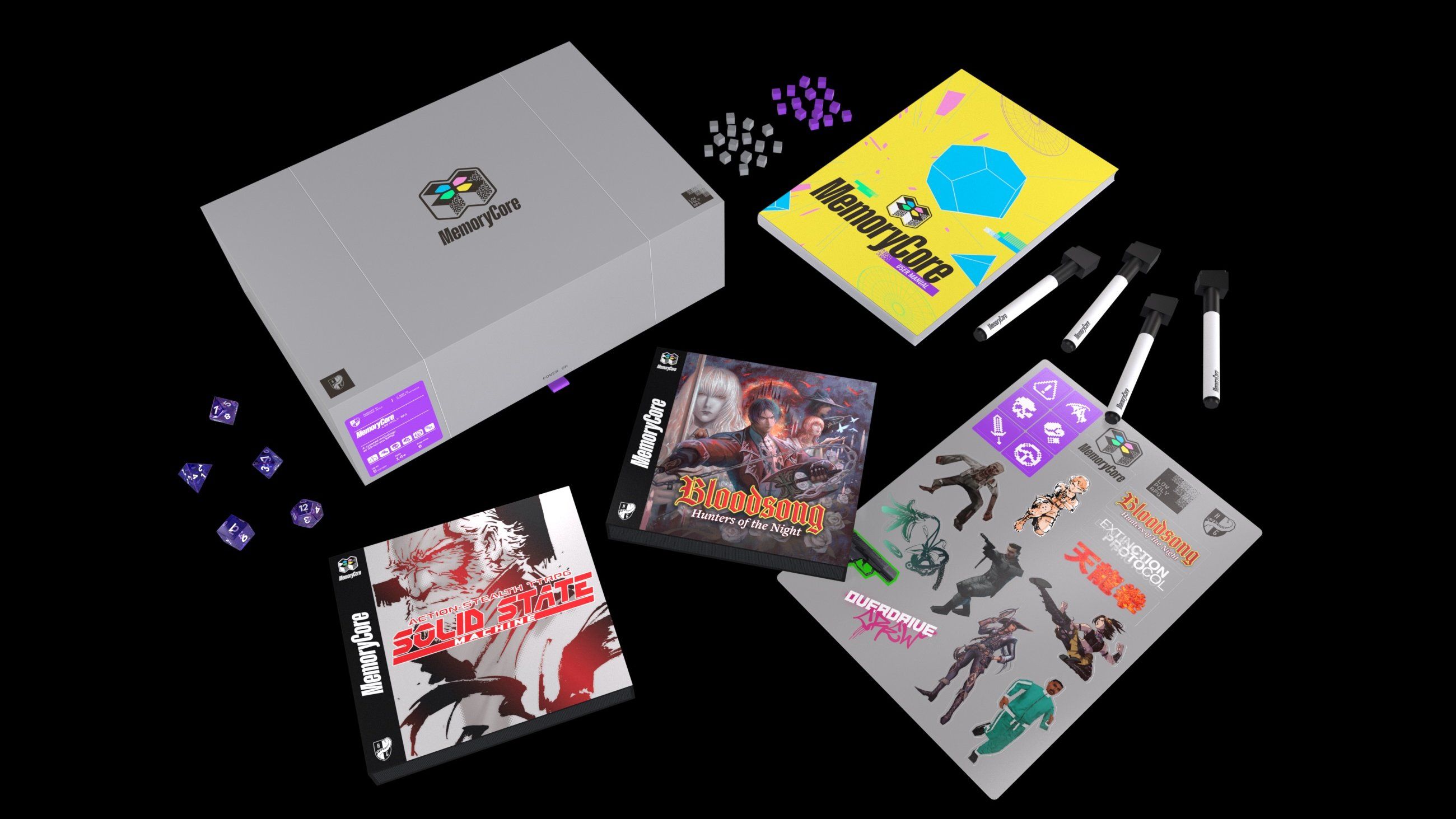
“The limitations of those PS1 games forced creators to be incredibly creative with every byte,” Pustorino explained in an exclusive interview. “I wanted to bring that same pressure to tabletop gaming—giving players just enough rules to generate epic stories without overwhelming them.” The approach has already drawn comparisons to minimalist RPGs but with a distinctly retro video-game flavor.
Background
Pustorino, known for his work under the studio Vileborndesigner, spent months analyzing what made 1990s PS1 titles timeless. He found that technical constraints—such as limited polygon counts, short memory cards, and CD-ROM storage—forced developers to prioritize narrative density and clever design over graphical fidelity.
“In Metal Gear Solid, a single elevator ride could be a masterclass in tension,” he said. “We can do that in a TTRPG by restricting page counts or skill lists.” The result is a system where every character ability and item has multiple purposes, mirroring how a simple key card in Resident Evil could unlock three different doors.
The game’s core rules fit on just four pages—a deliberate echo of the iconic PS1 startup screen. Dice mechanics are streamlined, using only d6s and d10s, while character sheets resemble memory card save files. “It’s not about nostalgia alone,” Pustorino emphasized. “It’s about proving that limitation breeds innovation—a lesson we desperately need in modern game design.”
What This Means
MemoryCore arrives at a time when the tabletop industry is flooded with hundreds-page rulebooks. Pustorino’s design philosophy offers a stark alternative: shorter campaigns (8–12 sessions), reusable props, and a laser focus on player-driven storytelling. For fans who grew up replaying Crash Bandicoot to unlock every secret, this game promises similar replayability through modular adventures.
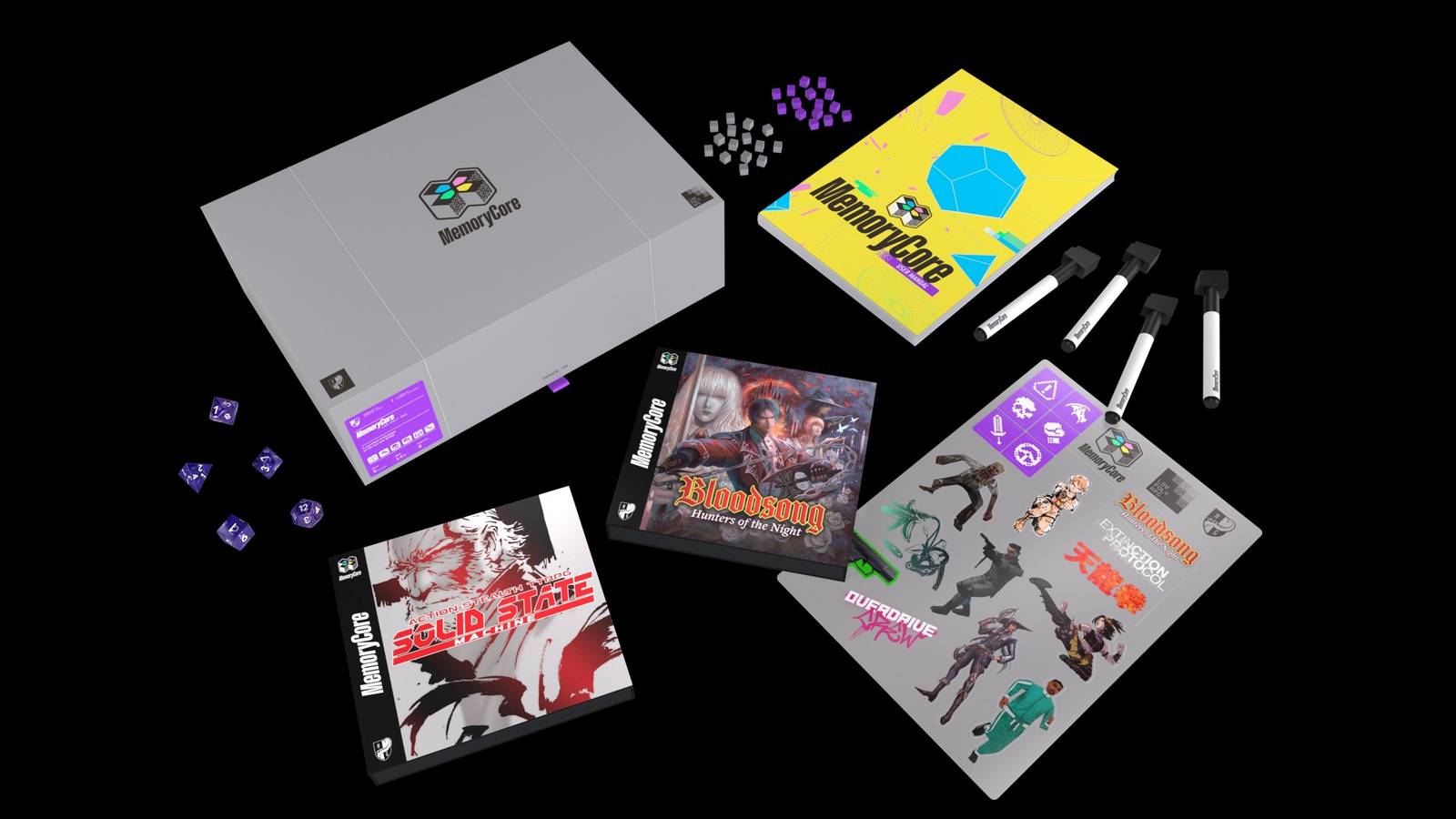
Industry analysts note that the retro-inspired TTRPG could appeal to both seasoned role-players and newcomers intimidated by complex systems like Dungeons & Dragons 5e. “This is a gateway drug for video gamers who’ve never touched dice,” said Dr. Lina Torres, a game studies professor at MIT. “It lowers the barrier to entry by speaking their visual language.”
The game also raises questions about how other media might adapt the “retro constraints” trend. Would a film that forces itself to tell a story in 90 minutes without CGI feel more urgent? Pustorino hopes so: “If we can bottle the magic of a PS1 game’s ‘impossible’ creativity, we can change how every rulebook is written.”
MemoryCore is expected to launch on Kickstarter next month with a core box inspired by a PS1 jewel case. Early backers will receive a “memory card” containing exclusive pre-order content. For now, Pustorino is finalizing the rulebook—and staying true to his limits. “If we end up with more than 32 pages of core rules, we’ve failed,” he laughed.
As the TTRPG community awaits the full reveal, one thing is clear: sometimes the best way forward is to look back—and embrace the beautiful constraints of 1997.