A massive new study has dashed hopes that high-tech hydration programs—complete with smart water bottles, reminders, coaching, and financial incentives—can prevent kidney stones from coming back. Despite careful monitoring and encouragement to drink more water, participants did not experience a significant reduction in stone recurrence compared to standard care.
"The findings are sobering," said Dr. Helena Voss, lead researcher at the University of Utah Health. "We invested enormous resources into ensuring patients drank enough water, but it simply wasn't enough to stop new stones from forming."
Background
Kidney stones affect roughly one in ten people during their lifetime, causing excruciating pain and often recurring within five years. For decades, doctors have urged patients to increase fluid intake as the primary preventive measure.
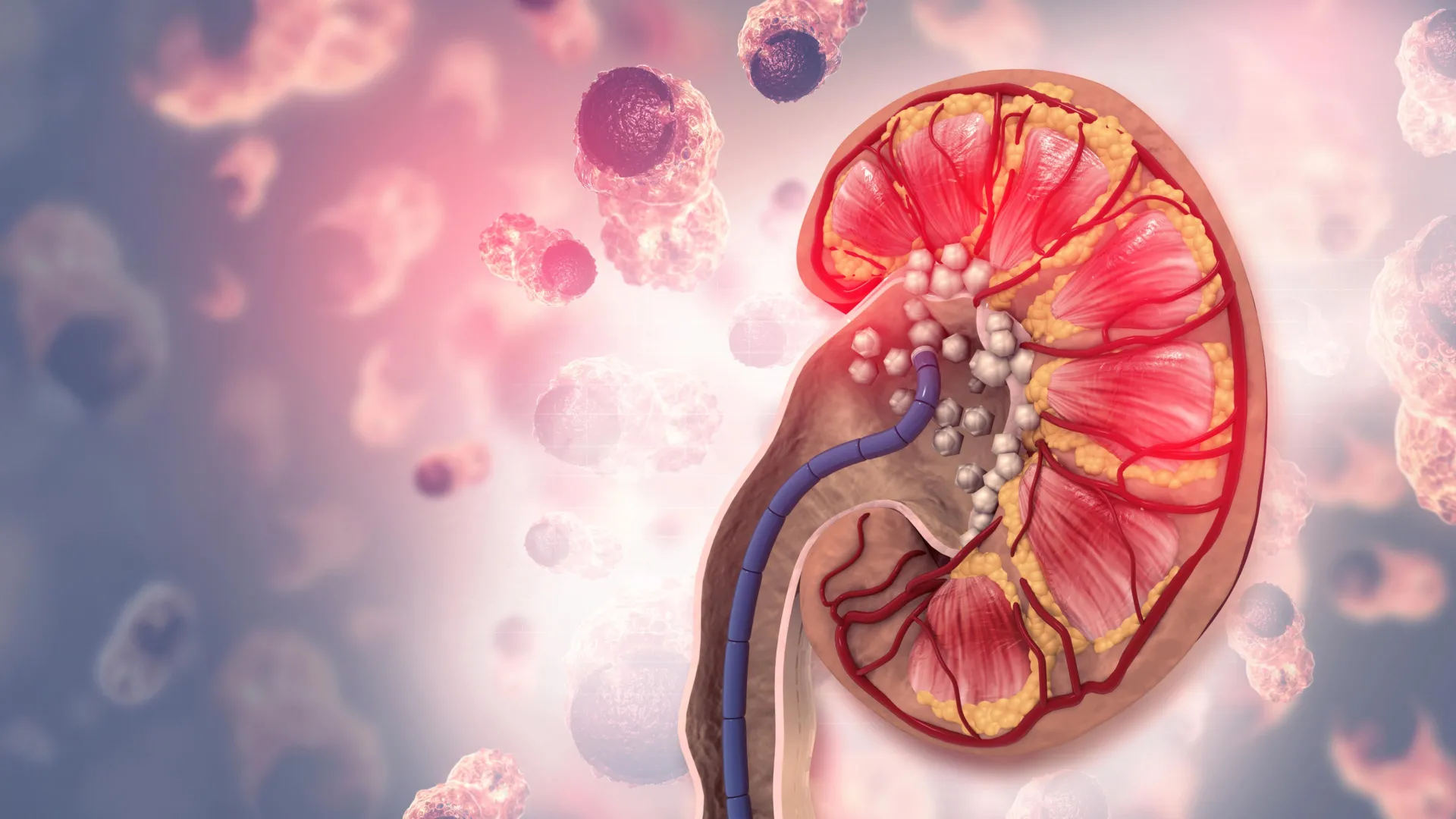
This randomized controlled trial enrolled over 1,200 adults with a history of kidney stones. The intervention group received a smart water bottle that tracked intake and synced with a mobile app, daily reminders, personalized coaching from dietitians, and even small cash rewards for meeting hydration goals. The control group received standard dietary advice.
What This Means
The results challenge a cornerstone of kidney stone prevention: that drinking more water alone will keep stones away. "Hydration remains important, but clearly it's not the whole story," noted Dr. Voss. "Genetics, dietary sodium, oxalates, and other factors play a much larger role than we thought."
For patients, the message is not to abandon water, but to seek comprehensive care that includes dietary modifications and possibly medication. "Pure water isn't a magic bullet," said Dr. Marcus Li, a nephrologist at Johns Hopkins. "We need to address the underlying causes of stone formation, not just dilute the urine."
Study Details
Over a two-year follow-up, the smart-bottle group showed a 12% lower recurrence rate—but this difference was not statistically significant. Adherence to water goals was actually high, yet stones still appeared.
"We saw that even patients who drank the recommended 2.5–3 liters per day developed new stones," said co-author Dr. Sarah Kim. "This suggests that the type of fluid and overall diet matter more than volume alone."
Implications for Practice
Clinicians may need to rethink their advice. "I'll still tell patients to stay hydrated, but I'll put much more emphasis on reducing salt, limiting animal protein, and keeping oxalate-rich foods in moderation," explained Dr. Li.
The study also highlights the limits of wearable technology in tackling chronic conditions. "Just because you can track something doesn't mean you can change the outcome," Dr. Voss concluded.